


Amelanchier lamarckii, Snowy Mespilus rootball 150-175cm
Amelanchier lamarckii, Snowy Mespilus rootball 150-175cm
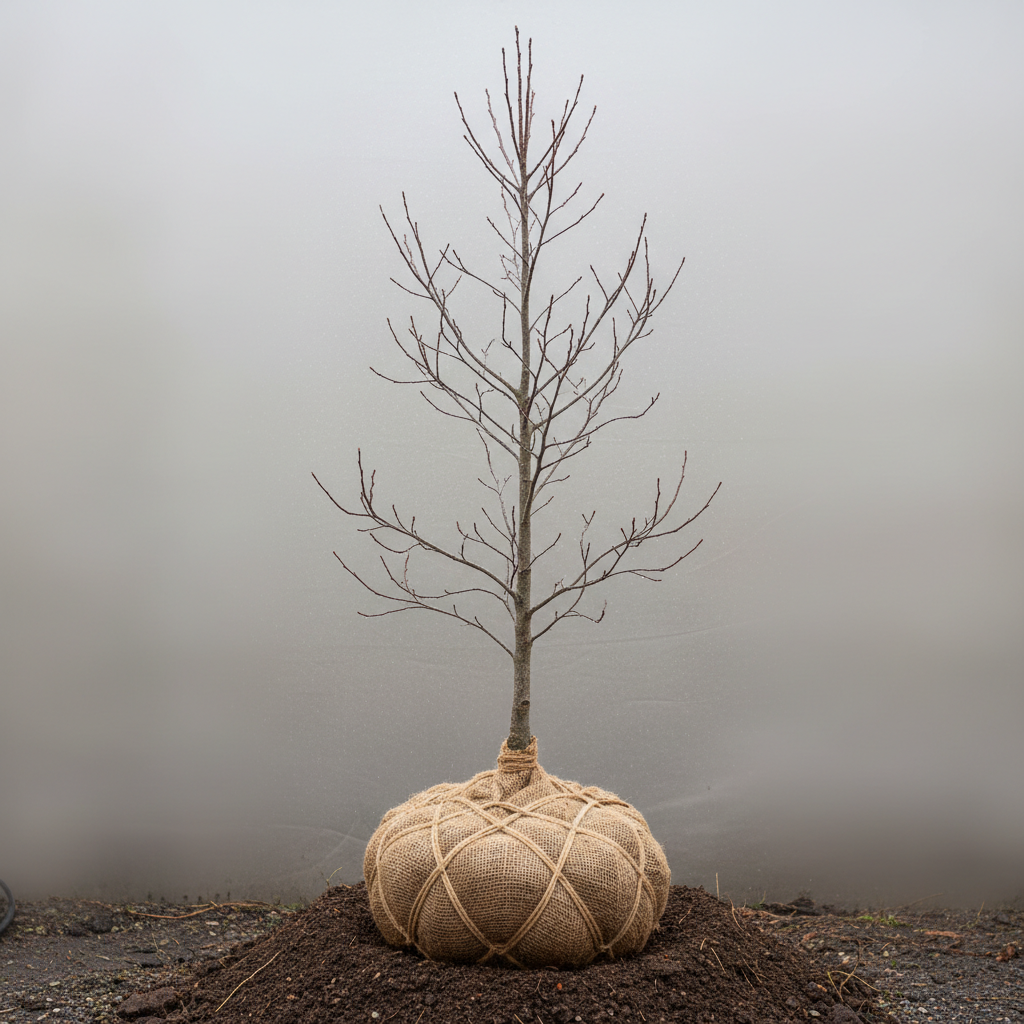
Amelanchier lamarckii – Snowy Mespilus Rootball
Amelanchier lamarckii (Snowy Mespilus, also known as Juneberry) is one of the finest small trees for a British garden, earning its place through three full seasons of interest. In early spring, clouds of star-shaped white flowers open alongside bronze-tinted young foliage, creating a display that stops visitors in their tracks.
Summer brings soft green leaves and sweet purple-black berries loved by birds, before the autumn finale of fiery orange, red and copper foliage. A graceful, multi-stemmed habit keeps it elegant rather than overbearing, making it ideal where space is limited.
Key Features
- Masses of white spring blossom with bronze new growth
- Edible purple-black summer berries, excellent for wildlife
- Spectacular orange and red autumn colour
- Graceful multi-stemmed form, ideal for smaller gardens
- Rootball-grown for strong establishment
Why Choose Snowy Mespilus?
- Three seasons of genuine garden interest
- Compact ultimate size suits courtyards and front gardens
- Fully hardy and undemanding once established
- Superb specimen tree for lawns and mixed borders
- Outstanding value for a wildlife-friendly native-style tree
Growing Conditions
Thrives in full sun to partial shade in any moist but well-drained soil. Prefers neutral to acidic ground but performs well on most UK soils. Fully hardy and tolerant of exposure, with little pruning required beyond light shaping.
Garden Design & Uses
Perfect as a feature specimen in a lawn, a focal point in a mixed border, part of a wildlife planting scheme, or as a light-canopied tree for smaller urban gardens.
Couldn't load pickup availability
In stock
View full details

Collapsible content
Planting Instructions
Amelanchier rootballs are best planted between October and March while the tree is dormant. Dig a hole twice the width of the rootball and to the same depth, placing the rootball so its top sits level with the surrounding soil. Avoid planting too deep.
Leave the hessian wrap in place but loosen and remove any ties, string or wire from around the stem. Backfill with a mix of excavated soil and organic compost, firm in well and water thoroughly. Stake newly planted specimens on exposed sites for the first two seasons.
Apply a 5 to 8cm mulch of bark or compost around the base, keeping it clear of the stem. Water regularly through the first growing season, especially in dry spells. Pruning is rarely needed beyond removing crossing or damaged branches in late winter.
Size & Specification
Supplied as a rootball-grown specimen at 150-175cm in height, lifted and wrapped for transplanting. Typically multi-stemmed or lightly branched, with a well developed fibrous root system.
Ultimate height 6 to 8m with a spread of around 4 to 6m over many years. Fully hardy to -20C (RHS H6) and suitable for all UK conditions, including exposed sites.
Delivery & Dispatch
Rootball specimens are dispatched on a pallet delivery service due to their size and weight. Delivery is to kerbside; please ensure suitable access for a pallet vehicle.
Typically dispatched within 3 to 5 working days of ordering, subject to availability. You will receive tracking information once your order has been collected. Delivery is to mainland UK addresses only.
Rootball plants are lifted and despatched during the dormant season (October to March). Orders placed outside this window will be fulfilled at the start of the next planting season.
Wildlife & Ecological Notes
Snowy Mespilus is an outstanding wildlife tree for its size. The early spring blossom is a valuable nectar source for bees and hoverflies at a time when little else is in flower.
The sweet purple-black June berries are eagerly taken by blackbirds, thrushes, blackcaps and other garden birds, and are edible for people too. The light open canopy casts dappled shade that allows underplanting to thrive.
An excellent choice for wildlife gardens, pollinator planting schemes and small spaces where a larger native tree would be impractical.