
Apple Tree: Malus Domestica: Cox's Orange
Apple Tree: Malus Domestica: Cox's Orange
Cox's Orange Pippin Apple Tree - Malus domestica for sale.
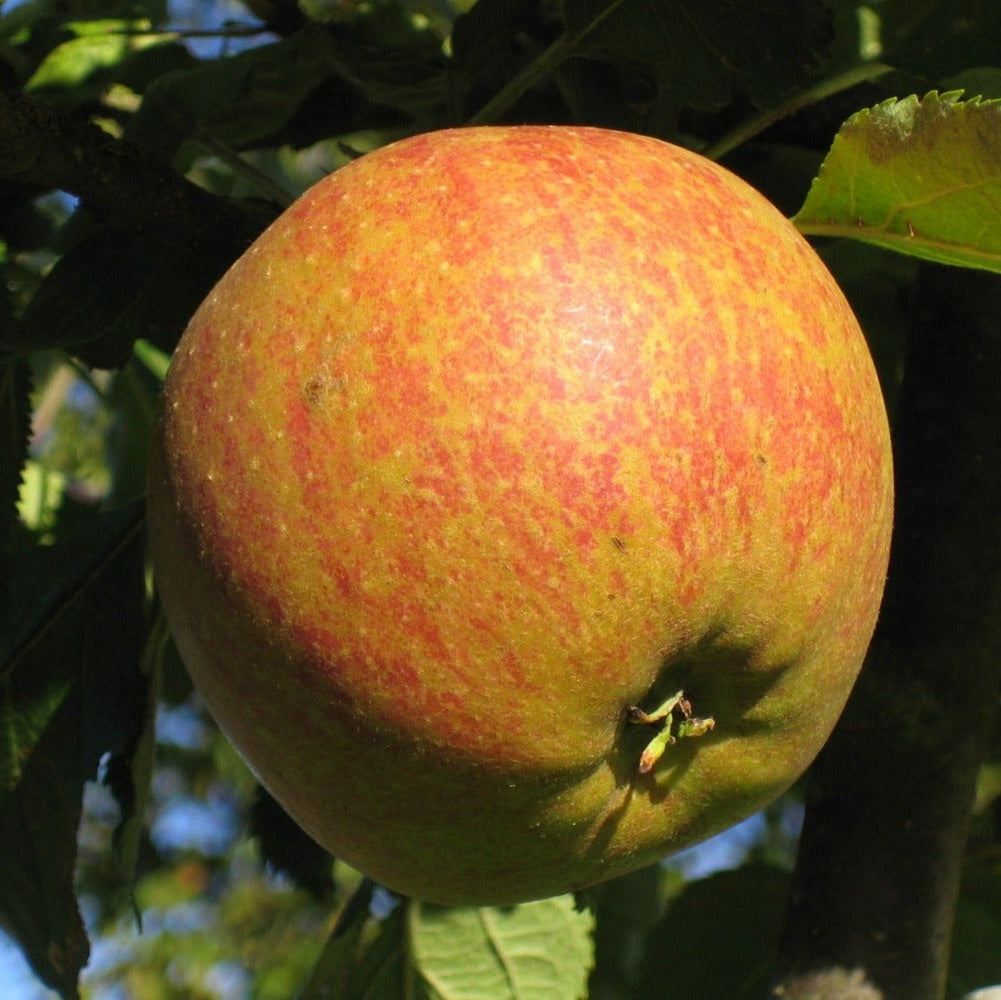
Grow Britain's most famous apple with Cox's Orange Pippin. This excellent dessert apple is renowned for its rich, complex flavour that many consider the finest of all eating apples. Bearing medium-sized fruit with distinctive orange-red colour and stripy green-yellow patterns, Cox's Orange Pippin is the benchmark by which other apples are judged.
Key Features
- Exceptional Flavour: Rich, complex taste — considered by many as the finest eating apple
- Distinctive Appearance: Orange-red colour with attractive stripy green-yellow pattern
- Classic British Apple: The most famous and beloved UK apple variety
- Beautiful Blossom: White-pink flowers in spring
- Long Harvest: Fruit from October to January
- Hardy: Reliable in UK conditions with good care
- Pollinator Group 3: Requires another pollinator for fruit production
Growing Information
Ultimate Height: 4–8m
Ultimate Spread: 4–8m
Pollinator Group: Group 3 (requires pollinator)
Harvest Time: October to January
Growth Rate: Moderate
Position: Full sun, shelter preferred
Soil: Moist, well-drained, fertile soil
Hardiness: Fully hardy (H5)
Planting & Care
Plant in autumn or early spring in moist, well-drained, fertile soil enriched with plenty of organic matter. Position in full sun in a sheltered spot. Plant with another Group 3 apple (such as Discovery, James Grieve, or Katy) for cross-pollination. Water regularly for the first two seasons. Feed with balanced fertiliser in early spring. Prune in winter when dormant. Thin fruit in June if crops are very heavy.
Couldn't load pickup availability
Low stock: 6 left
More details.
Planting Instructions
Plant in autumn or early spring in moist, well-drained, fertile soil enriched with plenty of organic matter. Cox's Orange Pippin performs best in good soil conditions. Choose a sunny, sheltered spot protected from cold winds and late frosts. Plant with another Group 3 apple (such as Discovery, James Grieve, or Katy) for cross-pollination. Dig a hole twice the width of the root ball, incorporate compost, firm well and water thoroughly. Stake for two years. Mulch around the base. Water regularly for the first two seasons and during dry spells. Feed with balanced fertiliser in early spring. Prune in winter when dormant. Thin fruit in June if crops are very heavy.
Size & Specification
Supplied in a 10L pot. Ultimate height 4-8m, spread 4-8m. Pollinator Group 3 — requires a nearby apple in the same or adjacent group. Harvest October to January. Growth rate moderate.
Delivery & Dispatch
Supplied as a pot-grown tree in a 10L pot, available year-round subject to stock. Dispatched via overnight courier. Dispatch notification with tracking sent when your order is on its way. Contact us if you require a specific delivery date.
Wildlife & Ecological Notes
Apple blossom in spring is one of the most valuable sources of nectar and pollen for bees, hoverflies, and other pollinators. Fallen and overripe fruit in autumn provides food for blackbirds, thrushes, wasps, butterflies, and small mammals including hedgehogs. The deciduous canopy supports a wide range of insects and provides nesting cover for garden birds.