


25 x bare root hedging Hawthorn 2-3 foot tall
25 x bare root hedging Hawthorn 2-3 foot tall
⚠️ PRE-ORDER — Limited stock available. Secure your order now. Due to drought conditions during the growing season, availability is restricted this year.
Hawthorn Bareroot Hedging 2-3 foot x 25
Available for sale November to April PRE-ORDER TO SECURE AVAILABILITY
Hawthorn
Botanical name: Crataegus
Common name: Hawthorn
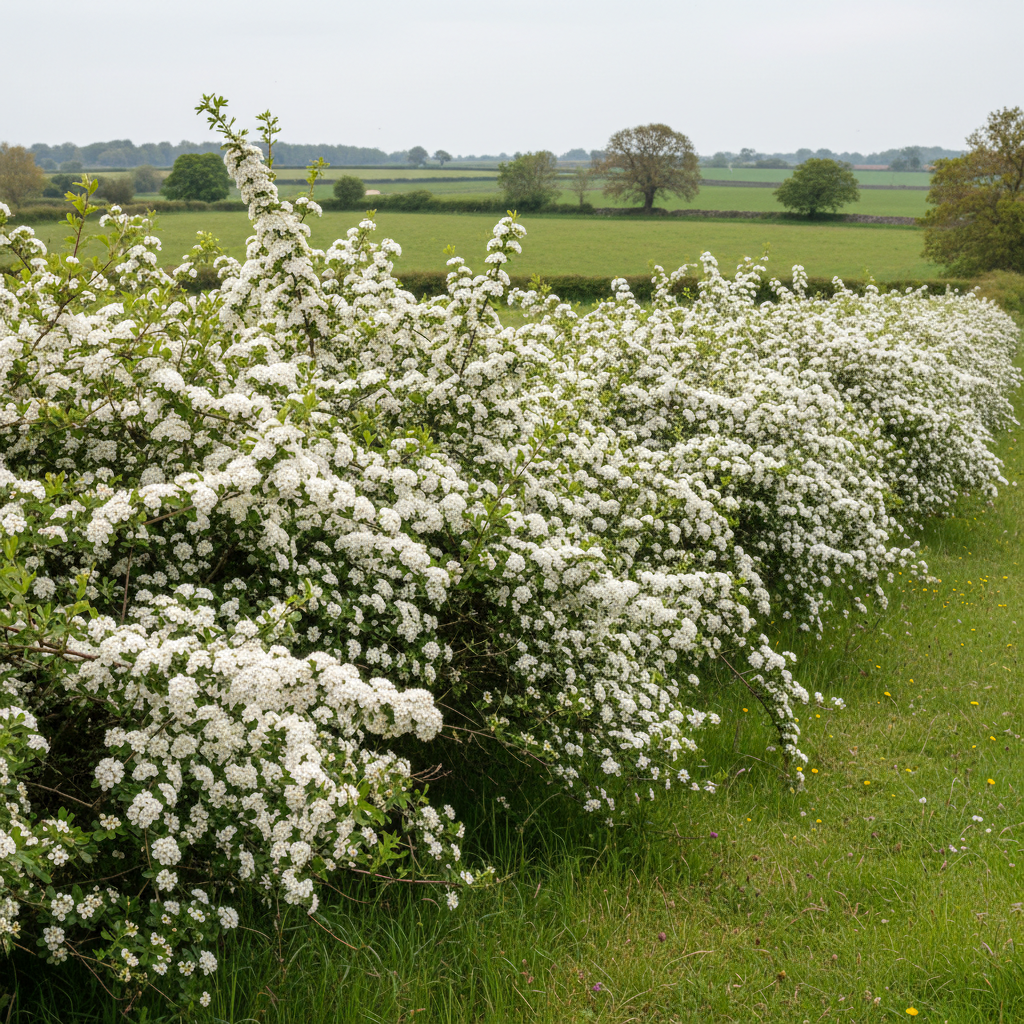
Common in hedgerows, the blossom of these trees is a sign of warmer, longer days. Small round fruits and autumn leaf colour extend their season of interest. Versatile in use, they can be grown as hedges, shrubs or trees that thrive on a range of soils and in exposed situations. The tree provides a good wildlife habitat, with masses of nectar-rich flowers for insects and autumn berries, known as haws, offering food for birds.
Value to wildlife
Common hawthorn can support hundreds of other species. It is the foodplant for caterpillars of moths, including the hawthorn, orchard ermine, pear leaf blister, rhomboid tortrix, light emerald, lackey, vapourer, fruitlet-mining tortrix, small eggar and lappet moths. Its flowers are eaten by dormice and provide nectar and pollen for bees and other pollinating insects. The haws are rich in antioxidants and are eaten by migrating birds, such as redwings, fieldfares and thrushes, as well as small mammals.
The dense, thorny foliage makes fantastic nesting shelter for many species of bird.
Couldn't load pickup availability
In stock
View full details

Collapsible content
Planting Instructions
Plant bare root Hawthorn between November and April when dormant. Hawthorn is extremely adaptable and will thrive in most soils including clay, chalk, and sandy soils, in full sun or partial shade. It is one of the hardiest native hedging plants and tolerates exposed, windy sites.
Space 3–5 plants per metre for a dense hedge. Soak roots for 1–2 hours before planting. Dig a hole wide enough to spread roots without bending, plant to the nursery mark depth, firm in and water well.
Water during dry spells in the first season. Trim in late summer after berries have formed to maintain shape and encourage dense bushy growth. Hawthorn responds well to hard cutting back if renovation is needed.
Size & Specification
25 bare root Hawthorn (Crataegus monogyna) plants at 60–90cm (2–3 foot) height. Bare root form, supplied dormant November–April. Covers approximately 5–8 metres of hedging.
Delivery & Dispatch
Bare root plants are dispatched between November and April during the dormant season. Orders placed outside this window will be held and dispatched at the start of the next bare root season. Free standard delivery to mainland UK. Plants are carefully bundled and wrapped to protect roots in transit. Contact us before ordering if you need a specific delivery date.
Wildlife & Ecological Notes
Hawthorn is one of the most wildlife-rich native plants in the UK, supporting over 300 insect species. The nectar-rich blossom in May is a vital early food source for bees, hoverflies, and butterflies. It is the foodplant for caterpillars of many moth species including the Hawthorn, Lackey, and Lappet moths. Dense thorny growth provides safe nesting sites for Blackbirds, Thrushes, Dunnocks, and Yellowhammers. Haws (berries) in autumn are a critical food source for migrating Redwings, Fieldfares, and Thrushes, as well as small mammals including dormice and foxes.