

Cordyline australis – New Zealand Cabbage Palm
Cordyline australis – New Zealand Cabbage Palm
Couldn't load pickup availability
Cordyline australis – New Zealand Cabbage Palm
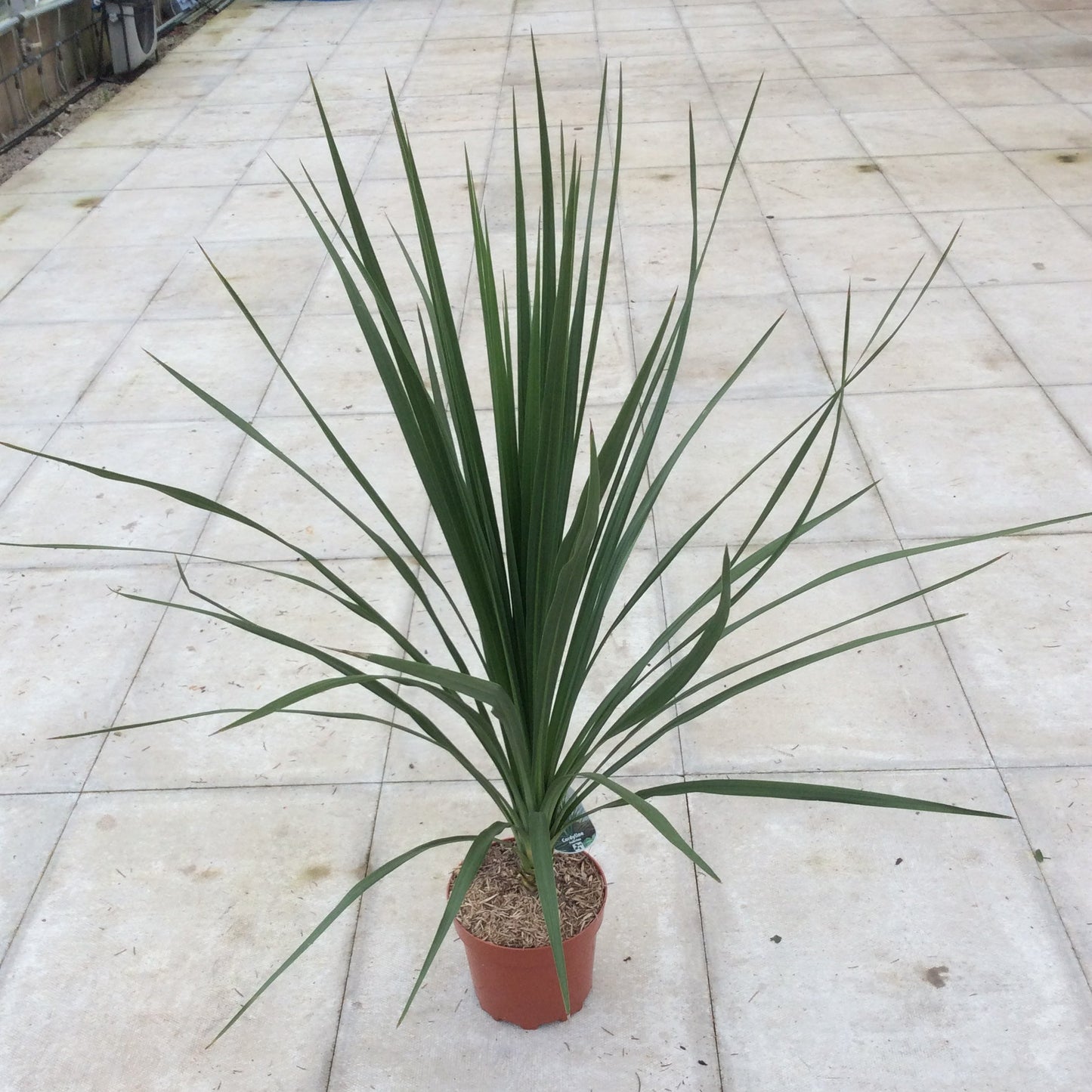
Create instant exotic impact with this striking architectural evergreen. The New Zealand Cabbage Palm is a bold, palm-like plant featuring dramatic sword-shaped leaves that radiate from a central trunk, bringing a touch of the tropics to UK gardens. Perfect for creating focal points and adding year-round structure.
Key Features
- Bold architectural form creates instant visual impact and exotic appeal
- Evergreen sword-shaped leaves provide year-round structure and interest
- Ideal for coastal gardens with excellent salt and wind tolerance
- Versatile planting perfect for borders, containers, and feature planting
- Low-maintenance once established in the right conditions
Growing Conditions
Thrives in full sun and well-drained soil. Particularly well-suited to coastal districts where it tolerates salt spray and wind exposure exceptionally well. In colder inland areas, provide winter protection by wrapping the crown during harsh frosts. Perfect for dramatic focal points in borders, gravel gardens, or as a stunning container specimen on patios.
Planting and Care
Plant in a sunny, well-drained position with shelter from harsh winter winds in colder areas. Water regularly during establishment, then this drought-tolerant plant requires minimal care. In frost-prone regions, wrap the crown with fleece or straw during winter months to protect the growing point.
Low stock: 3 left

More details.
Planting Instructions
Planting Instructions
Cordyline australis is easy to establish in a sunny, well-drained position. Plant in spring or early summer to allow good establishment before winter. In colder inland areas, choose a sheltered spot.
- Plant in full sun in a position with excellent drainage — avoid heavy, waterlogged soils
- Dig a planting pit twice the width of the root ball and the same depth; backfill and firm well
- Thrives in most soil types provided drainage is good — particularly suited to sandy and coastal soils
- Water thoroughly after planting and regularly throughout the first growing season
- Once established, Cordyline is drought-tolerant and largely self-sufficient
- In frost-prone regions, wrap the crown loosely with fleece or straw during prolonged hard frosts to protect the growing point
- Remove old or damaged leaves at the base as needed to maintain a tidy appearance
Size & Specification
Size & Specification
Supplied in a 10 litre pot as a well-established specimen ready to plant on arrival.
- Species: Cordyline australis (New Zealand Cabbage Palm)
- Form: Upright architectural evergreen with sword-shaped leaves radiating from a central trunk
- Supplied in: 10 litre pot
- Eventual height: 3–6m in sheltered UK conditions
- Growth rate: Moderate
- Approximate weight: 15kg
- Suitable for borders, gravel gardens, coastal planting, and large containers
Delivery & Dispatch
Delivery & Dispatch
Dispatched via our specialist courier service, carefully packaged to ensure safe transit of the 10 litre pot. Orders dispatched Monday to Wednesday.
- Dispatched by specialist plant courier — typically within 3–5 working days
- You will receive a dispatch notification with tracking details
- Carefully packaged to prevent transit damage
- UK mainland delivery only — Lancashire-based nursery
- For specific delivery date requests, please contact us before ordering
Wildlife & Ecological Notes
Wildlife & Ecological Notes
Though not a native species, Cordyline australis makes a useful contribution to garden biodiversity, particularly when mature enough to flower.
- Mature specimens produce large panicles of fragrant creamy-white flowers in early summer, highly attractive to bees, butterflies, and other pollinators
- Dense crown of foliage provides shelter and nesting habitat for small birds year-round
- Provides structure in coastal and exposed gardens where other wildlife plants may struggle
- Best paired with native flowering plants nearby to maximise overall garden biodiversity