
Pyrus calleryana 'Chanticleer' – Ornamental Pear Tree | Stoneybrook Nursery
Pyrus calleryana 'Chanticleer' – Ornamental Pear Tree | Stoneybrook Nursery
Ornamental Pear (Pyrus calleryana ‘Chanticleer’)
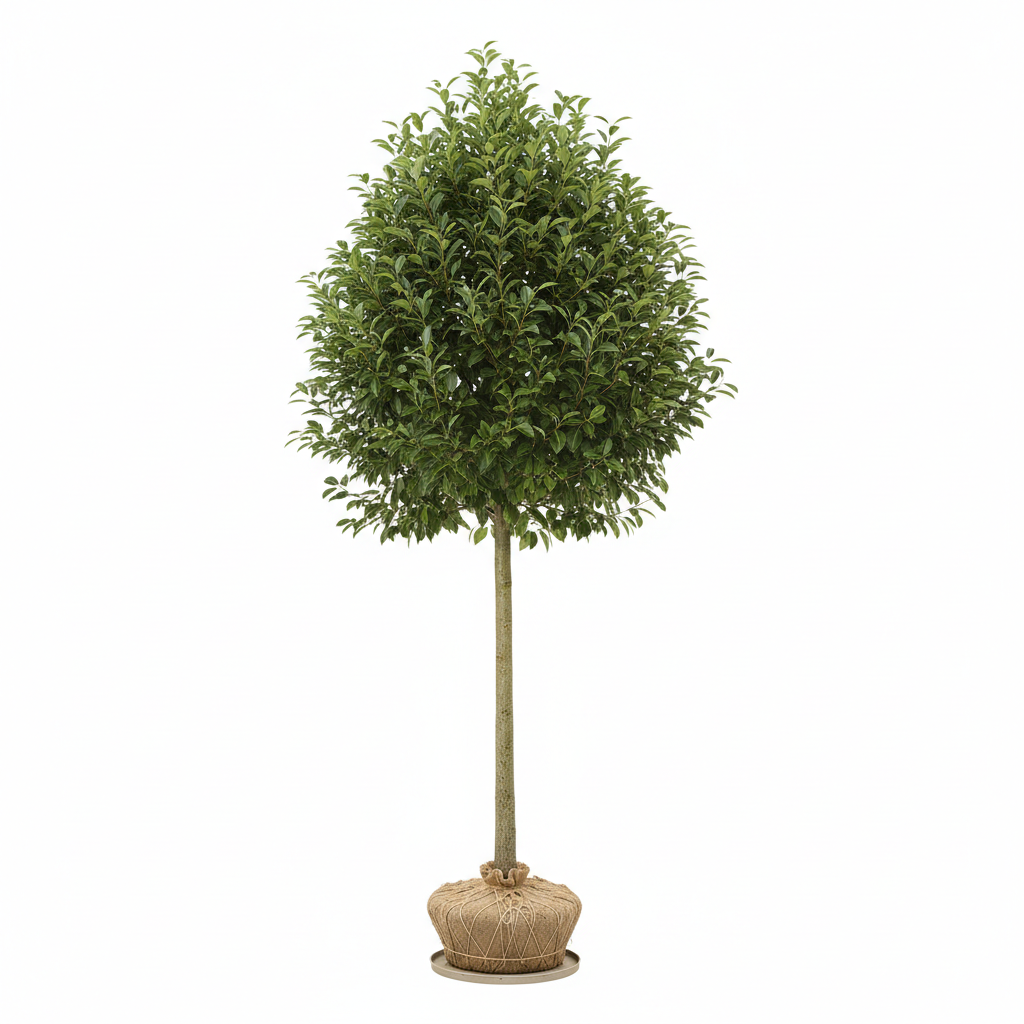
Bring height, spring blossom and rich autumn colour to your garden with ‘Chanticleer’ ornamental pear. Its narrow, upright crown carries clusters of white flowers in spring, followed by glossy green leaves that turn orange and red before falling in autumn.
Its structured outline makes it an attractive specimen for a lawn, an avenue or a spacious border. Although narrower than many large trees, ‘Chanticleer’ is not a dwarf tree: plan for its mature height and canopy rather than treating it as a permanent fit for a confined space.
Key Features
- Clusters of white spring blossom.
- Narrow, upright crown with glossy summer foliage.
- Orange-red autumn colour that varies with the season.
- Useful structure for avenues and ornamental planting schemes.
Growing Conditions
Plant in sun or partial shade in moist but well-drained soil. It tolerates a range of soils, including clay and chalk where drainage is suitable, and is useful in urban planting schemes. Allow room for the roots and mature canopy, keeping clear of buildings and overhead obstructions.
Size and Specification
Supplied in a 50–60 litre pot. Supplied height, trunk girth and clear-stem height are not specified; please contact us for current stock measurements if important. The existing listing gives a mature height of approximately 10–12 metres and spread of 4–5 metres, depending on conditions. This is a deciduous ornamental pear, not a listing for an edible pear crop.
Care and Maintenance
Water regularly during establishment and prolonged dry spells. Mulch the root zone while keeping the trunk clear, and stake if needed, checking ties regularly. Prune lightly when dormant to remove damaged or crossing branches and maintain a sound framework. Check for active bird nests before any pruning.
Couldn't load pickup availability
Low stock: 2 left
More details.
Planting Instructions
Plant Ornamental Pear (Pyrus calleryana ‘Chanticleer’) in sun or partial shade in moist but well-drained soil. Allow sufficient room for a mature tree approximately 10–12 metres tall and 4–5 metres wide, as listed, away from buildings and overhead obstructions. Water the rootball before planting and set it at its existing soil level. Backfill, firm gently and water thoroughly.
Stake if needed and check ties regularly to prevent rubbing or constriction. Water during establishment and prolonged dry spells, and mulch without covering the trunk. Prune lightly when dormant to remove damaged or crossing branches and maintain a sound framework. Check for active bird nests before pruning.
Size & Specification
Ornamental Pear (Pyrus calleryana ‘Chanticleer’), supplied in a 50–60 litre pot. Supplied height, trunk girth and clear-stem height are not specified; please confirm current stock measurements before ordering if precise dimensions or matched specimens are required.
The listing gives a mature height of approximately 10–12 metres and spread of 4–5 metres, depending on growing conditions. It has a narrow, upright crown but is not a dwarf tree. Branching and autumn colour vary naturally. As a deciduous tree, it may arrive without leaves or blossom during dormancy; flowering on arrival is not guaranteed.
Delivery & Dispatch
Supplied pot-grown in a 50–60 litre container. Please refer to our delivery information for current delivery areas, charges and dispatch arrangements. Contact Stoneybrook Nursery before ordering if access is restricted or you need delivery by a particular date. Arrange suitable assistance for moving and positioning this large specimen.
Unpack carefully on arrival, check the rootball moisture and water if needed. Keep outdoors in a sheltered position until planting and prevent the roots from drying out. Lift by the container or rootball rather than the trunk or branches. Deciduous stock may arrive without leaves or flowers outside the growing season.
Wildlife & Ecological Notes
Spring blossom can provide nectar and pollen for visiting bees and other pollinating insects. As the tree develops, its canopy can provide seasonal shelter and cover for birds and invertebrates. Small fruits may develop, but fruit production is not guaranteed; this is an ornamental pear rather than an edible fruit listing.
Check carefully for active bird nests before pruning and leave occupied branches undisturbed. Combine with plants flowering at other times of year to extend food availability for insects.