
Raspberry Plant – Rubus idaeus (Various Cultivars)
Raspberry Plant – Rubus idaeus (Various Cultivars)
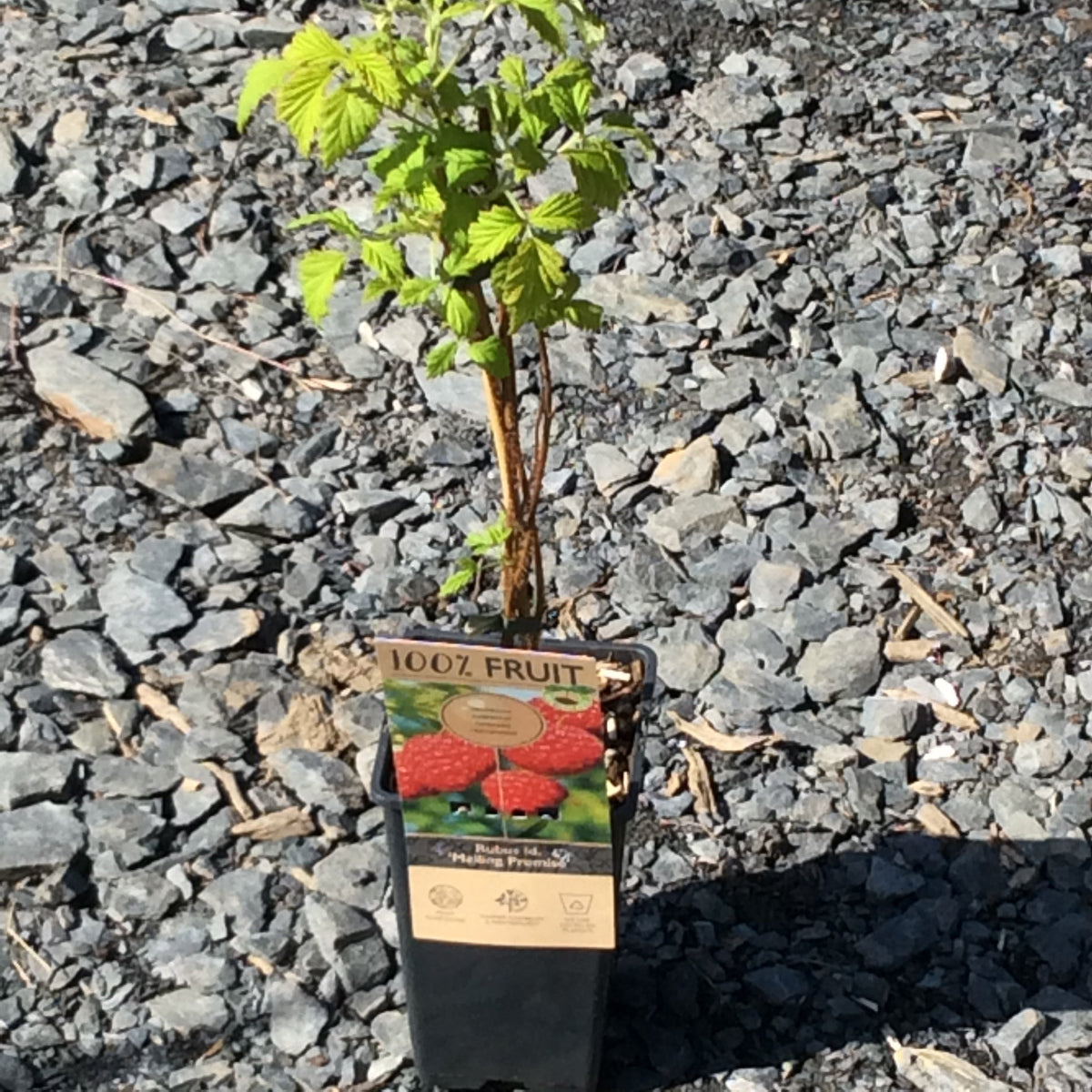
Raspberry Plant – Rubus idaeus
Enjoy picking ripe raspberries straight from your own garden. These pot-grown raspberry plants are a rewarding addition to a fruit bed or allotment, with delicate flowers followed by fruit for fresh eating, desserts and preserves. A sunny, sheltered position and consistent watering help plants establish and crop well.
Why Grow Raspberries?
- Home-grown fruit for fresh eating and kitchen use.
- Flowers that attract bees and other pollinating insects.
- Pot-grown plants ready for planting into prepared soil.
- A choice of cultivars, subject to current availability.
Planting and Care
Plant in fertile, moist but well-drained, slightly acidic soil in a sunny, sheltered position. Space canes approximately 45cm apart, adjusting to the cultivar and growing system, and provide posts and wires where needed. Water regularly during establishment and fruit development, and mulch without covering the crowns. Feed in spring according to the fertiliser instructions. For container growing, confirm a suitable cultivar and use a large pot with good drainage.
Pruning Depends on the Variety
For summer-fruiting raspberries, remove canes that have fruited after harvest and retain the new canes for the following year. For autumn-fruiting varieties grown for one autumn crop, cut the canes down in late winter. Confirm the supplied cultivar and fruiting type before pruning; do not cut every cane down indiscriminately.
Cultivar and Supplied Size
This listing covers various cultivars, but does not specify a named variety, pot volume, supplied height or cane count. Please contact Stoneybrook Nursery before ordering to confirm current availability and the plant supplied. Harvest season, mature size and yield depend on the cultivar and growing conditions. Raspberries are deciduous and may arrive dormant without leaves or fruit.
Couldn't load pickup availability
Low stock: 2 left
More details.
Planting Instructions
Plant Raspberry (Rubus idaeus) in a sunny, sheltered position in fertile, moist but well-drained, slightly acidic soil. Water the pot before planting and set the plant at its existing soil level, keeping the crown unburied. Space canes approximately 45cm apart, adjusting to the cultivar and growing system, and provide posts and wires where needed. Water well after planting.
Water regularly during establishment and fruit development, mulch without covering the crowns, and feed in spring according to the fertiliser instructions. Summer-fruiting varieties: remove canes that have fruited after harvest and retain new canes for next year. Autumn-fruiting varieties grown for one autumn crop: cut canes down in late winter. Confirm the supplied fruiting type before pruning. Container suitability depends on the cultivar; use a large pot with drainage.
Size & Specification
Pot-grown Raspberry (Rubus idaeus), offered as various cultivars subject to availability. Named cultivar, pot volume, supplied height and cane count are not specified in this listing. Please confirm the supplied variety and size before ordering, especially if a particular harvest season or container-growing habit is required.
Mature height, spread, harvest period and yield depend on the cultivar and growing conditions. Summer- and autumn-fruiting types require different pruning. Plants vary naturally and may arrive dormant without leaves or fruit. Fruiting on arrival or in the first season is not guaranteed.
Delivery & Dispatch
Supplied pot-grown; the listing does not specify pot volume or cane count. Contact Stoneybrook Nursery before ordering to confirm current cultivar availability and supply details. Please refer to our delivery information for current delivery areas, charges and dispatch arrangements, and contact us if delivery is needed by a particular date.
Unpack promptly on arrival, check compost moisture and water if needed. Keep outdoors in a sheltered position until planting and do not allow the rootball to dry out or stand in water. Handle by the pot or rootball, not the canes. Dormant plants may arrive without leaves or fruit.
Wildlife & Ecological Notes
Raspberry flowers provide nectar and pollen for visiting bees and other pollinating insects. Established growth can offer seasonal shelter for garden wildlife, and ripe fruit may also attract birds.
Check for active bird nests before pruning and leave occupied growth undisturbed. If protecting fruit with netting, keep it securely fitted and check regularly to reduce the risk of wildlife becoming trapped. Combine with plants flowering at other times of year to extend food availability for insects.