
Spiraea japonica 'Little Princess' – Dwarf Pink Flowering Shrub | Stoneybrook Nursery
Spiraea japonica 'Little Princess' – Dwarf Pink Flowering Shrub | Stoneybrook Nursery
Spiraea japonica 'Little Princess' – Perfect for Small Spaces
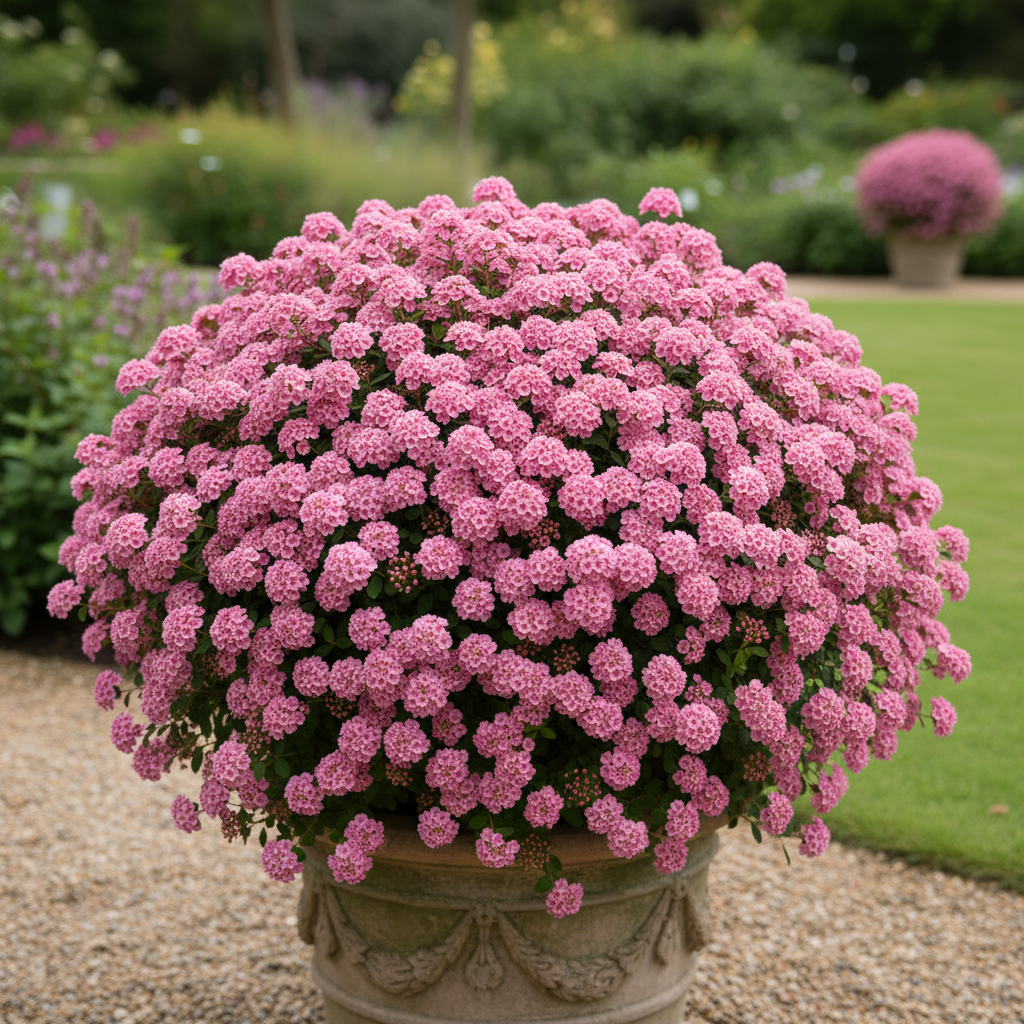
A dwarf, deciduous shrub prized for its profuse display of rose-pink flowers throughout summer. Its compact, mounded growth habit makes it ideal for small gardens, front-of-border plantings, rockeries, and containers where space is at a premium.
Key Features
- Rose-pink flowers from June to August
- Dwarf, compact growth habit
- Bronze-tinted new foliage in spring
- Perfect for small gardens and containers
- Hardy, low-maintenance, and attracts pollinators
Growing Conditions
Position & Soil
Thrives in full sun to partial shade. Prefers moist, well-drained soil but tolerates a wide range of conditions once established.
Height & Spread
Mature height: 40-50cm (16-20in). Spread: 50-60cm (20-24in). One of the most compact Spiraea varieties available.
Care & Maintenance
Pruning
Prune in early spring to encourage vigorous new growth and abundant flowering. Deadhead spent flowers to promote a second flush of blooms.
Hardiness
Fully hardy (RHS H6). Suitable for all UK gardens.
Couldn't load pickup availability
Low stock: 7 left
More details.
Planting Instructions
Plant in full sun to partial shade, in moist, well-drained soil; once established it tolerates a wide range of conditions.
Water well while establishing, particularly if grown in a container, and little extra feeding is needed beyond an annual spring mulch.
Prune in early spring to encourage vigorous new growth and abundant flowering, and deadhead spent flowers through summer to promote a second flush of blooms.
Size & Specification
Mature height of 40-50cm and spread of 50-60cm, one of the most compact Spiraea varieties available. Fully hardy (RHS H6) and suitable for all UK gardens, including small gardens and containers.
Delivery & Dispatch
Dispatched as a container-grown plant, carefully packaged to arrive in excellent condition, ready to plant.
Wildlife & Ecological Notes
The rose-pink flowers produced from June to August are attractive to bees and other pollinating insects.