


Native Farm Hedging Mix | Bare Root 40–60cm x 50
Native Farm Hedging Mix | Bare Root 40–60cm x 50
⚠️ PRE-ORDER — Limited stock available. Secure your order now. Due to drought conditions during the growing season, availability is restricted this year.
Native Farm Hedging Mix for Wildlife-Friendly Boundaries
Create a living boundary with this 40–60cm bare-root native hedging mix, combining Hawthorn (Crataegus monogyna) and Blackthorn (Prunus spinosa) with a mixture of other native species. It is a practical choice for planting field margins, restoring countryside hedgerows and bringing seasonal interest to larger gardens. The farm hedging mix is compliant with the stewardship schemes BN7 and BN11 . Containing a mix of 70% hawthorn and 30% blackthorn , plus other natives such as Field maple, Dog Rose and Beech.
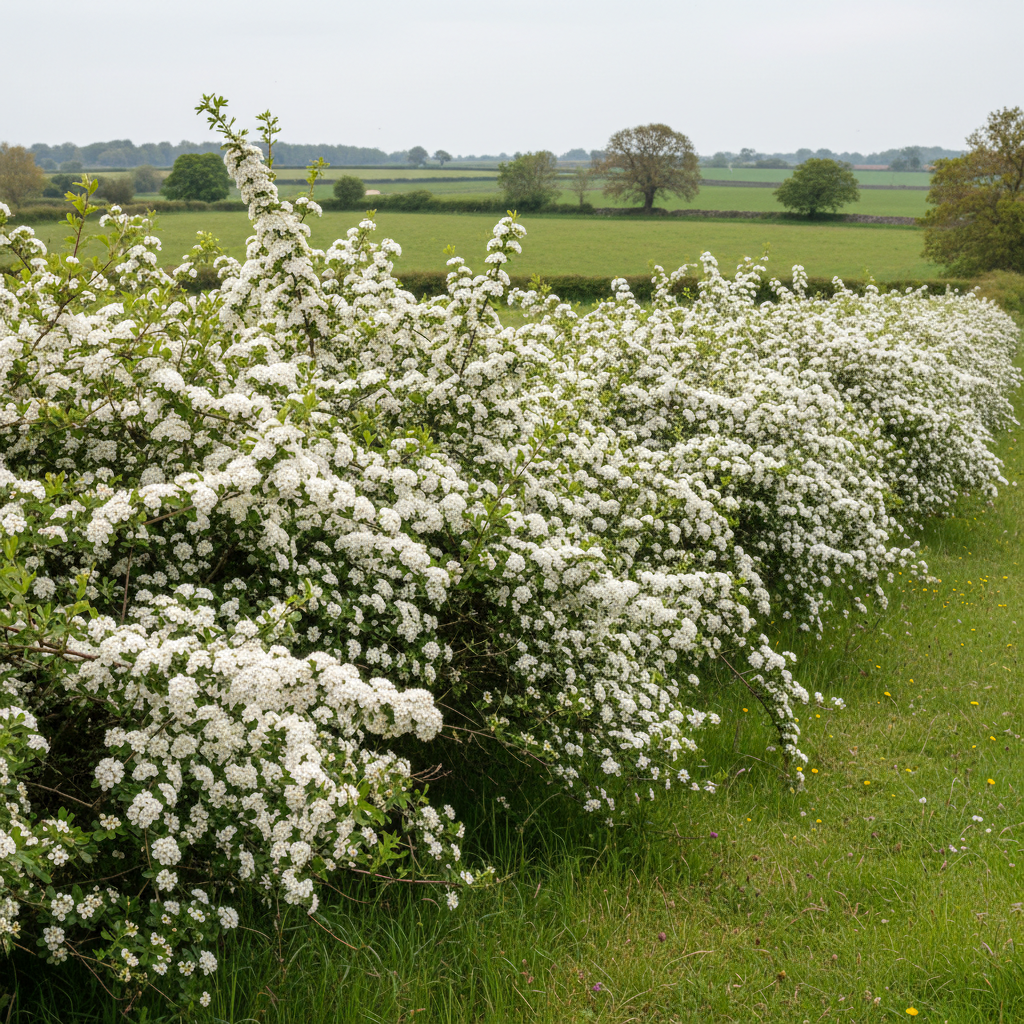
As the hedge establishes, spring blossom, fresh foliage and autumn fruits can turn a simple boundary into a valuable wildlife feature. A mixed hedge offers a more varied appearance than a single-species planting, with changes in colour and texture throughout the year.
Why Choose a Mixed Native Hedge?
- A natural countryside boundary: hawthorn and blackthorn form the foundation of a traditional mixed hedgerow.
- Wildlife value: flowers can support pollinating insects, while established growth offers shelter and potential nesting sites for birds.
- Seasonal interest: enjoy the changing character of several native species rather than a uniform evergreen screen.
- Bare-root planting: suitable for planting during the dormant season when soil conditions allow.
What Is Supplied?
This bare-root farm hedging mix at approximately 40–60cm height. The mix includes hawthorn and blackthorn alongside other native species. Supplied height is not the mature height of the hedge, and plants will vary naturally in shape and size.
The full species list, proportions and number of plants per pack are not specified here. Confirm these details with Stoneybrook Nursery before ordering, particularly where your planting plan requires an exact composition.
Planting and Establishment
Plant during the dormant season, avoiding frozen or waterlogged ground. Keep bare roots moist and protected from wind until planting. Prepare the planting strip, remove competing weeds and plant at the original nursery soil level, firming gently and watering well.
Maintain moisture during dry spells in the first growing seasons and keep the base free of competing grass and weeds. Where rabbits or deer are present, suitable protection may be needed. Plant spacing should follow your intended hedge density and any project specification.
Planning a Stewardship Hedgerow?
This native mix is suitable for farm conservation and stewardship planting, but scheme compliance must be checked against your specific agreement. Confirm the required species, proportions, planting density and plant specification before purchase; the product name alone does not guarantee eligibility.
A Hedge That Develops with Your Landscape
Picture a field edge alive with spring blossom, followed by leafy summer cover and autumn fruits. With thoughtful planting and ongoing care, a mixed native hedge can become a lasting part of your landscape, offering both a defined boundary and space for wildlife.
Couldn't load pickup availability
In stock


More details.
Planting Instructions
Plant this native bare-root hedging mix during the dormant season when the ground is neither frozen nor waterlogged. Choose a sunny or partially shaded position with well-drained soil. Keep roots moist and sheltered from wind until planting; never leave bare roots exposed to dry out.
Clear grass and weeds from the planting strip. Spread the roots naturally and plant at the original nursery soil mark, firming the soil gently around them. Water thoroughly after planting. Set spacing and row arrangement to suit your intended hedge density and any scheme requirements.
Keep the base free of competing weeds and water during dry spells while plants establish. Apply mulch without covering the stems. Use suitable guards where rabbits or deer are a risk, and check that guards do not restrict new growth. Check for active bird nests before trimming and leave occupied sections undisturbed.
Size & Specification
Pack of 50 native bare-root hedging plants, approximately 40–60cm tall at supply, as stated in the product title. This is the supplied size, not the eventual height of the hedge. Living plants vary naturally in height and branching.
The mix includes Hawthorn (Crataegus monogyna) and Blackthorn (Prunus spinosa). Other native species named in the listing include Field Maple (Acer campestre), Dog Rose (Rosa canina) and Beech (Fagus sylvatica). Confirm the final species quantities before ordering where an exact planting specification is required.
Supplied bare-root for dormant-season planting. Final hedge height and width depend on the species, growing conditions and trimming regime. Planting density should follow your project plan or stewardship agreement.
Delivery & Dispatch
This pack is supplied as bare-root plants for dormant-season planting. Consult the current delivery information and order confirmation for dispatch timing and delivery arrangements. For time-sensitive planting or stewardship projects, confirm availability and delivery timing with Stoneybrook Nursery before ordering.
Unpack promptly on arrival and check that the roots remain moist. Plant as soon as conditions allow. If planting is delayed, heel the plants into loose soil in a sheltered place, covering the roots fully and keeping them moist until they can be planted in their final position.
Wildlife & Ecological Notes
A mixed native hedge can provide shelter, nesting opportunities and a wildlife corridor as it establishes. Hawthorn (Crataegus monogyna) and Blackthorn (Prunus spinosa) produce spring flowers that can support pollinating insects, followed by fruits used by birds and other wildlife.
Additional species bring varied foliage and seasonal resources. Wildlife benefits develop as the hedge matures and depend on management. Avoid trimming every section each year where your planting agreement allows, so some flowering and fruiting growth is retained. Check for active nests before any hedge work.