
Victoria Plum (Prunus domestica) Bare-Root Tree 4–5 ft
Victoria Plum (Prunus domestica) Bare-Root Tree 4–5 ft
⚠️ PRE-ORDER — Limited stock available. Secure your order now. Due to drought conditions during the growing season, availability is restricted this year.
Victoria Plum Bare-Root Tree
Grow Britain’s favourite plum with a Victoria plum tree (Prunus domestica), supplied bare-root at approximately 4–5 ft (120–150 cm). This reliable, self-fertile variety produces heavy crops of sweet, juicy plums that are excellent for eating fresh, baking and preserving.
Why choose Victoria plum?
- Classic British dessert plum with dependable crops
- Self-fertile, so it can fruit without another plum tree nearby
- Deciduous tree with attractive spring blossom
- Ideal for gardens, allotments and small orchards
Planting your bare-root tree
Plant while the tree is dormant, as soon as possible after delivery. Choose a sunny, sheltered position with well-drained soil, soak the roots before planting, and stake the tree securely. Keep the root area watered during the first growing season.
Couldn't load pickup availability
11 in stock
View full details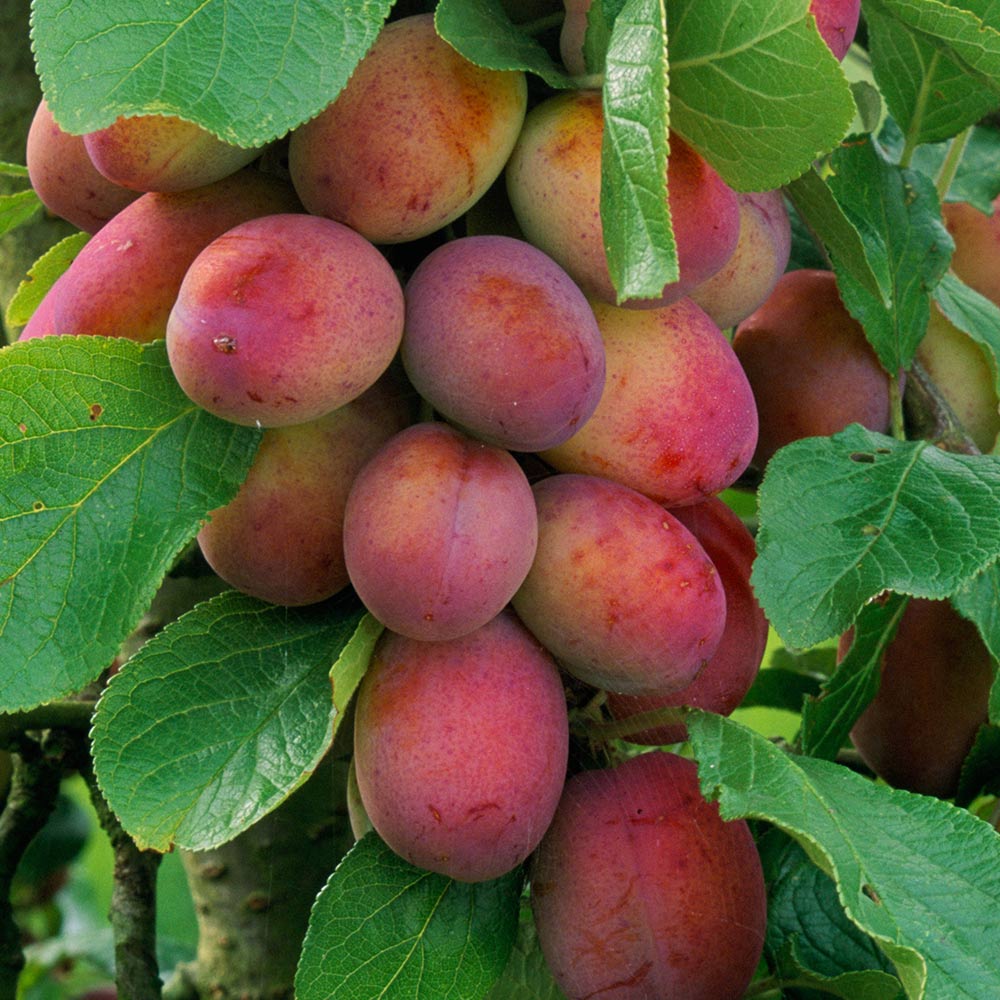
Collapsible content
Planting Instructions
Plant the bare-root Victoria plum while dormant, as soon as possible after delivery. Soak the roots before planting, choose a sunny position with well-drained soil, firm the soil around the roots, and stake the tree securely. Keep well watered during the first growing season.
Size & Specification
Supplied bare-root at approximately 4–5 ft (120–150 cm) tall. Bare-root trees are lifted and dispatched during the dormant season, so natural variation in height and shape is expected.
Delivery & Dispatch
This is a bare-root pre-order. Trees are lifted and dispatched during the dormant season, subject to suitable weather and stock availability. Keep the roots cool and moist if planting cannot take place immediately, and plant as soon as possible after delivery.
Wildlife & Ecological Notes
Victoria plum is a deciduous fruit tree with spring blossom that provides a useful early source of nectar for pollinating insects. The plums can be enjoyed by people and garden wildlife when ripe.