

Juglans regia – Common Walnut Tree
Juglans regia – Common Walnut Tree
Common Walnut (Juglans regia) is one of Britain's most majestic and rewarding specimen trees — a slow-growing giant that rewards patience with decades of dappled shade, striking architectural form, and an annual harvest of rich, flavoursome nuts.
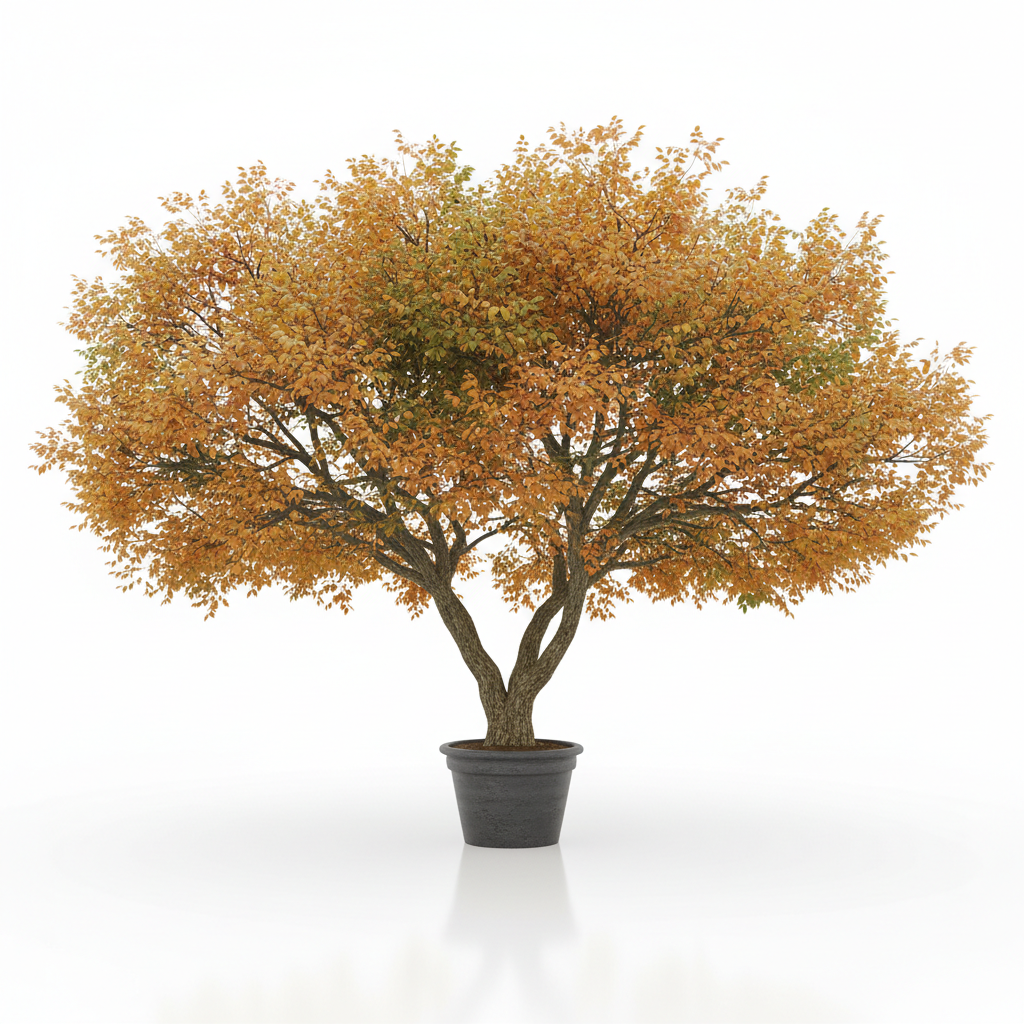
Imagine the scent of warm walnut leaves on a late summer afternoon, the satisfying crack of a freshly harvested shell in autumn, and the golden canopy that transforms your garden each October. This is a tree planted not just for today, but for generations.
Key Features
- Deciduous, nut-bearing specimen tree with broad, spreading canopy
- Stunning autumn colour — foliage turns warm gold before leaf fall
- Produces edible walnuts from approximately 5–7 years after planting
- Highly architectural — ideal as a standalone specimen or focal point
- Hardy and long-lived; established trees are drought tolerant
Growing Conditions
- Position: Full sun, sheltered from late frosts
- Soil: Deep, fertile, well-drained loam; tolerates clay if not waterlogged
- Mature height: 15–25m (allow generous space)
- Hardiness: RHS H6 — fully hardy across the UK
Planting Advice
Plant in a generous hole with well-rotted organic matter. Stake firmly for the first two seasons. Avoid planting near vegetable beds — walnut roots produce juglone, which can inhibit some neighbouring plants. Water well during the first growing season to establish a strong root system.
Couldn't load pickup availability
Low stock: 3 left

More details.
Planting Instructions
Plant in full sun in a sheltered position away from late frost pockets. Performs best in deep, fertile, well-drained loam but tolerates clay if not waterlogged. Dig a generous hole, incorporate well-rotted organic matter, backfill, firm, and water thoroughly. Stake for the first two seasons. Water well during the first growing season. Avoid planting near vegetable beds as walnut roots produce juglone which can inhibit some neighbouring plants.
Size & Specification
Supplied as a pot-grown specimen ready for immediate planting. Please contact us for current pot size and height availability.
Eventual height: 15-25 metres with a broad spreading canopy. Growth rate: slow to moderate. Allow generous space — this is a long-lived, majestic specimen tree.
Produces edible walnuts from approximately 5-7 years after planting. Ideal as a standalone specimen or focal point in large gardens and estates.
Delivery & Dispatch
Delivered via our specialist courier service, carefully packaged to ensure safe transit. Larger specimens are delivered on a pallet Monday to Friday and require someone to be available to receive.
Orders dispatched Monday to Wednesday. You will receive a dispatch notification with tracking details. Delivery available nationwide across mainland UK.
Wildlife & Ecological Notes
Catkins provide early pollen for bees in spring. The walnut crop is eagerly taken by squirrels, jays, and other wildlife in autumn. The broad canopy supports a wide range of invertebrates, attracting insectivorous birds. Deep fissured bark provides habitat for beetles and other invertebrates. As a large long-lived specimen, it contributes significant ecological value over generations.