
Common Nettle (Urtica dioica) 2/3 litre pot
Common Nettle (Urtica dioica) 2/3 litre pot
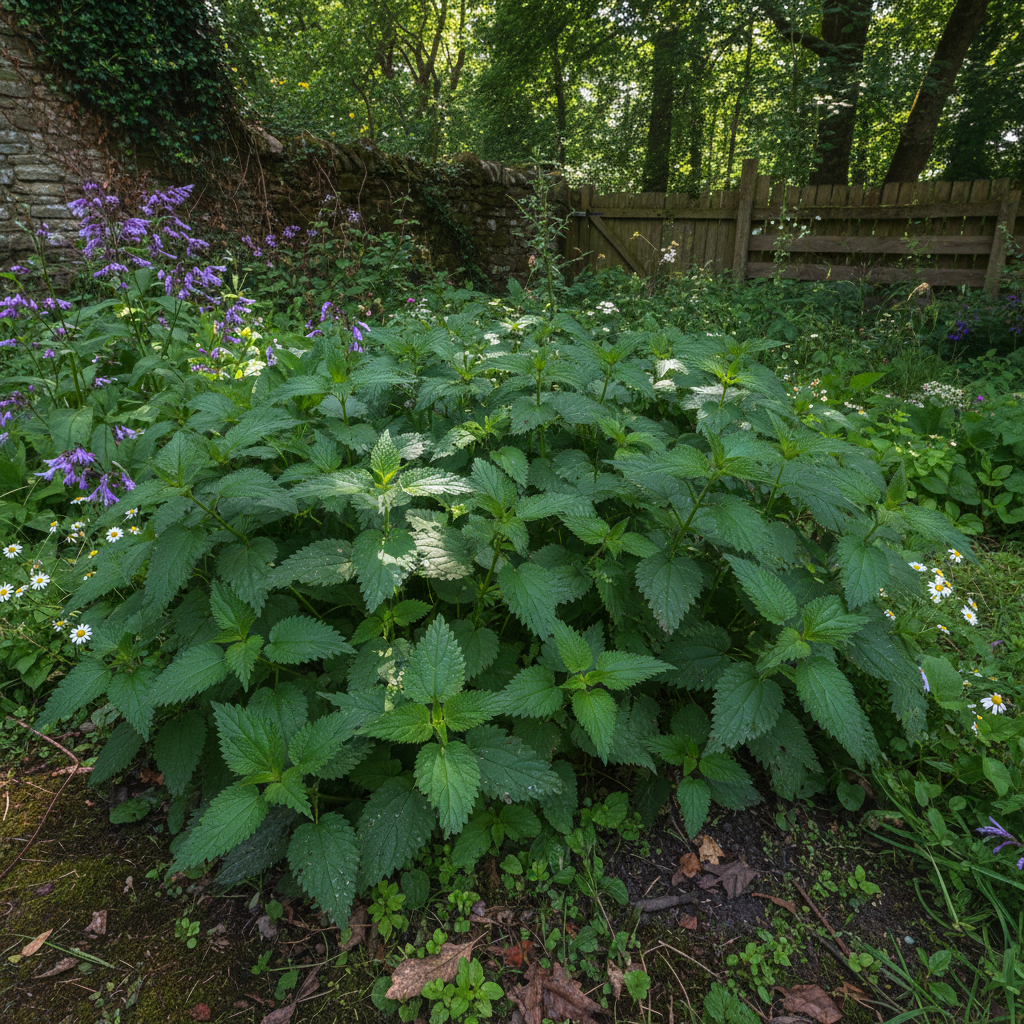
Common Nettle (Urtica dioica) – A Wild Edible with Remarkable Heritage
The humble nettle has been feeding, healing, and clothing people since medieval times — and it’s enjoying a well-deserved renaissance. Best known today as the leaf that wraps Cornish Yarg cheese, nettles are increasingly prized by foragers, chefs, and kitchen gardeners who know that this fast-growing perennial is one of the most nutritious and versatile plants you can grow.
Young nettle tops are rich in iron, vitamins A and C, and have a deep, earthy flavour that works beautifully in soups, pestos, pasta, and teas. Blanching or cooking removes the sting entirely, leaving a tender, spinach-like leaf that’s as at home in a Michelin-starred kitchen as it is in a country farmhouse. Beyond the kitchen, nettles are a vital wildlife plant — a host for caterpillars of the Peacock, Red Admiral, and Small Tortoiseshell butterflies.
Key Features
- Edible young leaves — used in soups, teas, cheese-making, and wild cooking
- Fast-growing herbaceous perennial — dies back in winter, returns vigorously each spring
- Rich in iron, vitamins A and C, and other beneficial compounds
- Important wildlife plant — supports butterflies, moths, and beneficial insects
- Used since medieval times; famously associated with Cornish Yarg cheese
Growing Advice
- Position: Full sun to partial shade; tolerates most aspects
- Soil: Moist, fertile soil; thrives in nitrogen-rich ground
- Spread: Vigorous spreader — best contained in a dedicated bed or large pot
- Harvest: Pick young tips in spring and early summer before flowering for best flavour
- Hardiness: Fully hardy throughout the UK
Couldn't load pickup availability
Low stock: 7 left
More details.
Planting Instructions
Planting Instructions
Common Nettle is one of the easiest plants to establish and will thrive in almost any UK garden. Plant at any time of year, though spring or autumn is ideal.
- Choose a position in full sun to partial shade — nettles are very tolerant of aspect
- Moist, fertile, nitrogen-rich soil is ideal; will tolerate most soils
- Plant in a dedicated bed, raised bed, or large container to contain its vigorous spreading habit
- If planting in open ground, use a root barrier or mow around the edges regularly to prevent spreading
- Water in after planting; once established, nettles are largely self-sufficient
- Cut back to the ground in autumn — foliage dies back naturally and returns vigorously each spring
- Harvest young shoot tips in spring and early summer before flowering for best flavour and nutrition
- Always handle with gloves — blanching, cooking, or drying removes the sting entirely
Size & Specification
Size & Specification
Supplied as a pot-grown herbaceous perennial, ready to plant out. Nettles die back to the ground in winter and return vigorously each spring.
- Species: Urtica dioica (Common Nettle / Stinging Nettle)
- Form: Herbaceous perennial — dies back in winter, returns in spring
- Mature height: 60–120cm in full growth
- Spread: Vigorous — can spread widely via rhizomes if not contained
- Growth rate: Fast — harvestable tips within weeks of spring emergence
- Hardiness: Fully hardy throughout the UK
Delivery & Dispatch
Delivery & Dispatch
Grown and dispatched from Stoneybrook Nursery in Lancashire. All plants are carefully packaged to arrive in excellent condition, ready to plant.
- Dispatched by specialist plant courier — typically within 3–5 working days
- Carefully packaged to prevent transit damage
- UK mainland delivery only
- For specific delivery date requests, please contact us before ordering
Wildlife & Ecological Notes
Wildlife & Ecological Notes
Common Nettle is one of the most ecologically important plants in the British Isles. Few plants support as wide a range of wildlife — it is genuinely irreplaceable in a wildlife garden.
- Primary larval food plant for Peacock, Red Admiral, Small Tortoiseshell, and Comma butterflies
- Supports over 40 species of insect, including several specialist moth species
- Flowers provide nectar and pollen for bees, hoverflies, and other pollinators
- Seeds eaten by finches, sparrows, and other seed-eating birds in autumn
- Dense stands provide ground-level shelter and overwintering habitat for beetles, spiders, and other invertebrates
- UK native — deeply embedded in British ecological communities and food webs